


SEMESTER I
Module 1: Human & Medicine
Spotter 1
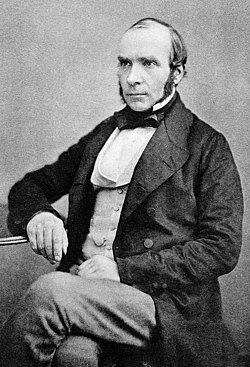
1. Identify the scientist shown in the picture. (0.5)
John Snow (1813-1858)
2. Mention any THREE contributions of this scientist to public health. (1.5)
Known as the father of modern epidemiology.
Established that cholera is transmitted through contaminated water, disproving the miasma theory.
Conducted the Broad Street pump investigation (London, 1854) and controlled the outbreak by removal of the pump handle.
Spotter 2
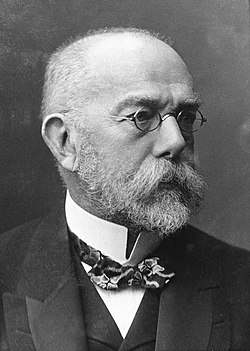
1. Identify the scientist shown in the picture. (0.5)
Robert Koch (1843–1910)
2. Mention any THREE contributions of this scientist to public health. (1.5)
Formulated Koch’s postulates, providing experimental proof that specific microorganisms cause specific diseases.
Identified the causative agent of Tuberculosis (Mycobacterium tuberculosis) in 1882.
Known as the father of modern bacteriology.
Discovered the causative agents of Cholera (Vibrio cholerae, 1883) and Anthrax (Bacillus anthracis).
Spotter 3
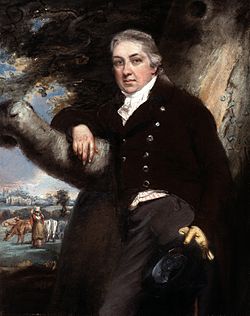
1. Identify the scientist shown in the picture. (0.5)
Edward Jenner (1749–1823)
2. Mention any THREE contributions of this scientist to public health. (1.5)
Developed the World’s First Successful Vaccine (Smallpox)
Pioneered the Concept of Immunization (Jenner moved medicine away from "variolation" (infecting people with the actual deadly smallpox virus) to "vaccination" (using a milder, safer relative of the virus).)
Known as the Father of Immunology
Spotter 4
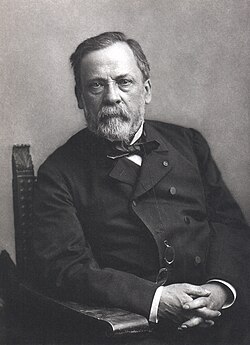
1. Identify the scientist shown in the picture. (0.5)
Louis Pasteur (1822–1895)
2. Mention any THREE contributions of this scientist to public health. (1.5)
Proposed the germ theory of disease, suggesting microbes cause infectious diseases and can spread between people.
Developed the first vaccines for rabies and anthrax; coined the term “vaccine”.
Demonstrated principles of microbial fermentation and pasteurization.
Disproved the Theory of Spontaneous Generation.
Spotter 5
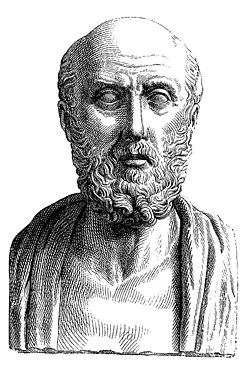
1. Identify the scientist shown in the picture. (0.5)
Hippocrates (460–370 BC)
2. Mention any THREE contributions of this scientist to medicine/public health. (1.5)
Known as the Father of Medicine.
Introduced clinical observation and ethical practice (Hippocratic Oath).
Recognized for epidemiologic thinking, described in “Air, Water & Places.”
Spotter 6

1. Identify the scientist shown in the picture. (0.5)
James Lind (1716–1794)
2. Mention any THREE contributions of this scientist to medicine/public health. (1.5)
Conducted one of the first controlled clinical trials.
Demonstrated that citrus fruits prevent scurvy among sailors.
Laid foundation for evidence-based preventive interventions in public health.
Spotter 7

1. Identify the scientist shown in the picture. (0.5)
John M. Last (1926–2006)
2. Mention any THREE contributions of this scientist to medicine/public health. (1.5)
Renowned epidemiologist and author of “A Dictionary of Epidemiology.”
Contributed significantly to the definition and concepts of epidemiology and public health.
Emphasized evidence-based preventive medicine and population health approaches.
Spotter 8
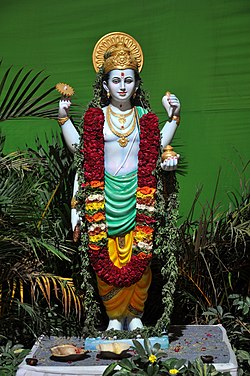
1. Identify the scientist/medical figure shown in the picture. (0.5)
Dhanvantari
2. Mention any THREE contributions of this figure to medicine/public health. (1.5)
Known as the Father of Indian Medicine and Ayurveda.
Considered the mythological physician of the gods in Indian tradition.
Represents the roots of traditional medicine in ancient India.
Spotter 9

1. Name of the scientist. (0.5)
Anton van Leeuwenhoek (1632–1723)
2. Mention any THREE contributions of this figure to medicine/public health. (1.5)
Built skillful microscopes capable of magnifying objects over 200 times.
Observed “animalcules” (microorganisms) in a drop of water.
First person to observe and record microbes, laying the foundation for microbiology and understanding of infectious diseases.
Spotter 10

Name of the scientist. (0.5)
Alexander Fleming (1881–1955)Mention any THREE contributions of this figure to medicine/public health. (1.5)
Discovered penicillin (1928), the first effective antibiotic.
Introduced the concept of antimicrobial therapy for bacterial infections.
Warned about antibiotic resistance and emphasized the rational use of antibiotics.
Spotter 11
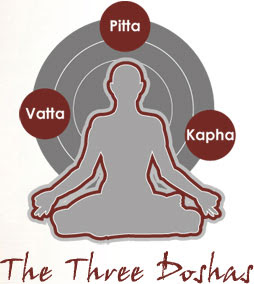
1. What does this diagram represent? (0.5)
Tridosha theory of disease
2. Name two medical systems which originated in India. (0.5)
Ayurveda and Siddha
3. Name the four eminent persons of ancient India who are greatly acknowledged in Ayurveda. (1)
Atreya, Charaka, Sushruta, Vagbata
Spotter 12

1. What does this diagram represent? (0.5)
Two principles of Chinese medicine – Yin and Yang
2. What does the balance of Yin and Yang indicate? (0.5)
Good health
3. Name any two contributions of ancient Chinese physicians. (1)
Practised variolation to prevent smallpox.
Developed treatments using hygiene, dietetics, hydrotherapy, massage, and drugs.
Spotter 13
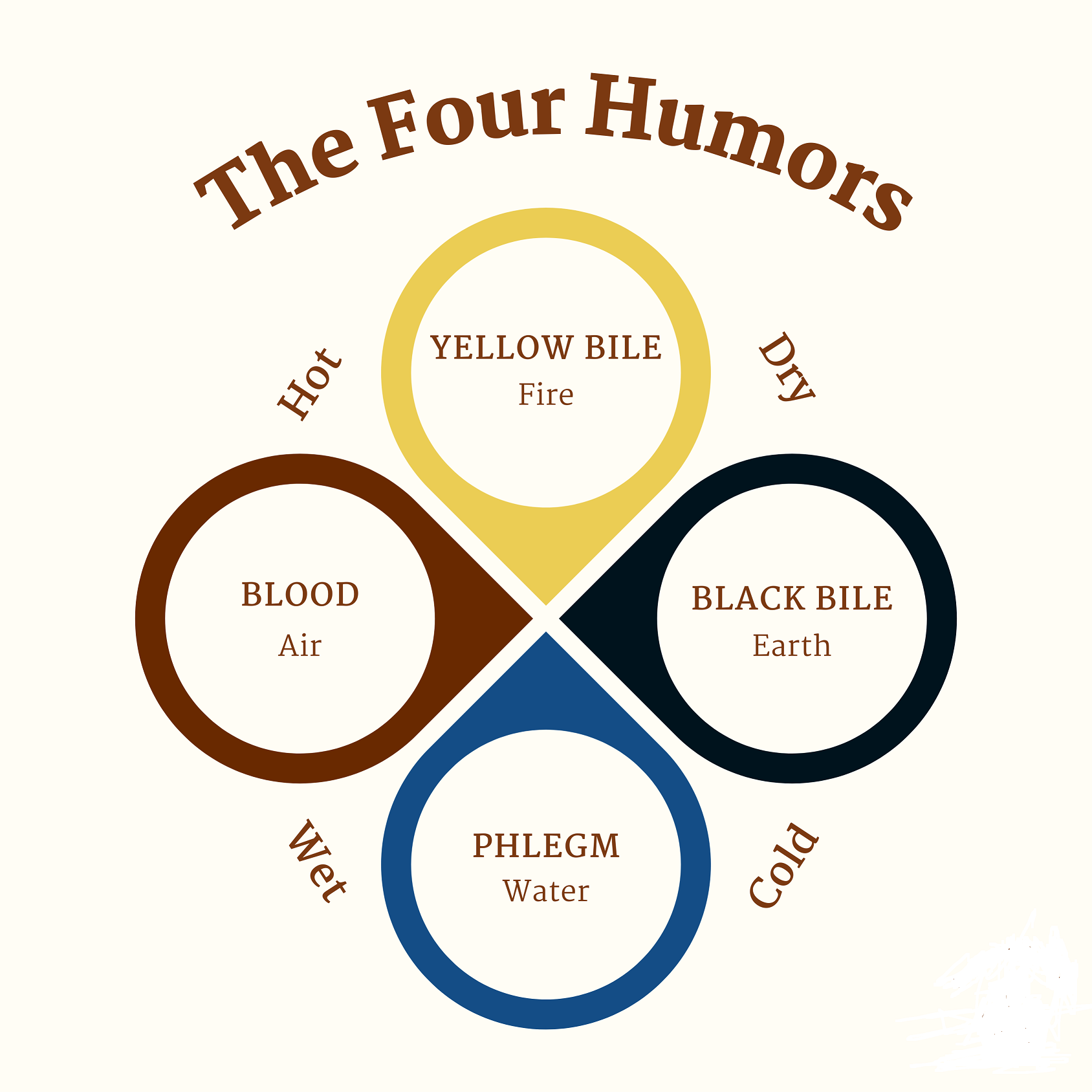
1. What does this diagram represent? (0.5)
Greek Medicine – Humoral theory
2. Name the four humors described in Greek Medicine. (0.5)
Blood, Phlegm, Yellow bile, Black bile
3. Name any two contributions of Hippocrates to medicine/public health. (1)
Introduced clinical observation and systematic recording of patient symptoms.
Established ethical medical practice (Hippocratic Oath).
Spotter 14
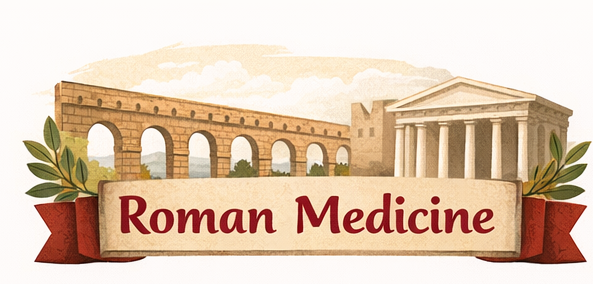
1. Name two major public health innovations introduced by the Romans. (1)
• Aqueducts – ensured clean and continuous water supply
• Public baths and sewage systems – improved sanitation and hygiene
2. Name any two contributions of Roman physicians to medicine/public health. (1)
• Emphasized hygiene and sanitation for disease prevention
• Developed surgical instruments and techniques, especially for battlefield medicine
Spotter 15

1. What does the symbol on the right represent? (1)
Rod of Asclepius – symbol of medicine; a staff entwined by a single serpent, representing the ancient Greek god of medicine and healing
2. Name the symbol on the left and how it differs from the Rod of Asclepius. (1)
The Caduceus – a staff with two serpents entwined and wings; unlike the Rod of Asclepius, it is often incorrectly used as a medical symbol and originally represents commerce and negotiation.
See, Logo of WHO

Spotter 16

1. Identify the person shown in the diagram/image. (0.5)
Galen (130–205 A.D.)
2. He belonged to which system/period of medicine? (0.5)
Roman (Greek–Roman) medicine
3. Mention any two contributions of Galen. (1)
Contributed to anatomy and physiology based on animal dissection.
Developed pharmacology (Galenic preparations).