

#Module 2: Concept of Health and Disease
Spotter 1

1. What does this diagram represent? (0.5)
Iceberg phenomenon of disease
2. What is the significance of the following? (1.5)
a. Floating tip of the iceberg
Represents clinically apparent / diagnosed cases of disease.
b. Submerged portion of the iceberg
Represents subclinical, undiagnosed, latent, and carrier cases of disease.
c. Water line
Represents the level of clinical detection and diagnostic threshold.
Spotter 2
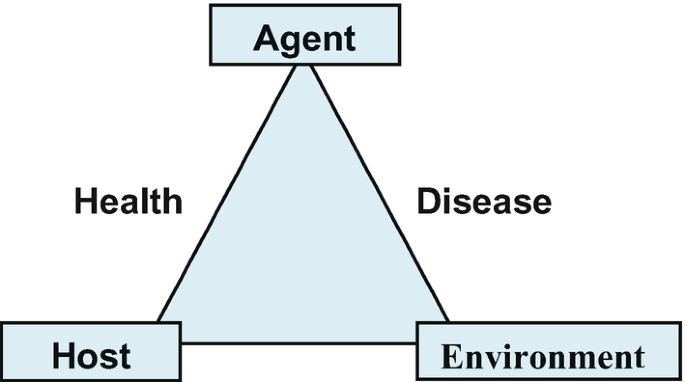
1. What does this diagram represent? (0.5)
Epidemiological triad
2. What is the significance of the following? (1.5)
a. Agent
The causative factor responsible for the disease (biological, chemical, physical, or nutritional).
b. Host
The human or animal that harbours the disease, influenced by factors like age, sex, immunity, and genetics.
c. Environment
External conditions that facilitate disease transmission, such as climate, sanitation, housing, and socio-economic factors.
Note: The Epidemiological Triad is a foundational public health model showing disease causation as an interaction between three key elements: the Agent (the pathogen/cause), the Host (the susceptible individual), and the Environment (external factors bringing them together). This triangle framework helps epidemiologists understand how diseases spread and develop interventions, explaining that a disease occurs when these three factors align in a way that promotes infection or illness.
The Three Components
The external factor or organism that causes the disease (e.g., bacteria, virus, chemical, physical factor).
Host:
The living organism susceptible to the agent, influenced by factors like age, genetics, immunity, and behavior.
The surrounding conditions (physical, biological, social) that influence the agent's survival and the host's susceptibility, like climate, sanitation, or population density.
How it Works
A disease results from a specific relationship where the agent interacts with a susceptible host within a particular environment.
By understanding this dynamic, public health officials can identify points of intervention (e.g., vaccinating the host, controlling the agent, improving the environment) to prevent outbreaks.
Example: Food Poisoning
Agent: Salmonella bacteria.
Host: A person who eats the contaminated food.
Environment: The restaurant where the food was prepared and the conditions that allowed the bacteria to grow.
Spotter 3
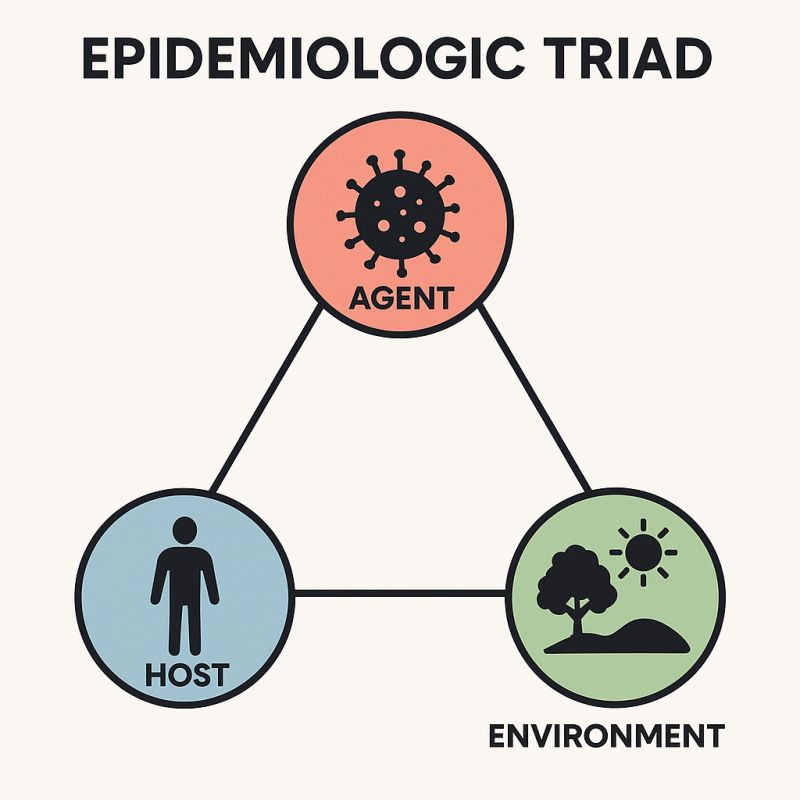
1. What does this diagram represent in context of Pulmonary Tuberculosis? (0.5)
Epidemiological triad of Pulmonary Tuberculosis
2. What is the significance of the following? (1.5)
a. Agent
Mycobacterium tuberculosis — the biological agent causing Pulmonary Tuberculosis.
b. Host
Humans with risk factors such as malnutrition, low immunity, HIV infection, diabetes, smoking, alcoholism, and extremes of age.
c. Environment
Conditions facilitating transmission of PTB, including overcrowding, poor ventilation, poor housing, poverty, and unhygienic living conditions.
Spotter 4

1. Identify the diagram? (0.5)
Theory of Multifactorial Causation
2. Who gave the concept of this theory? (0.5)
Max von Pettenkofer
3. Write two significances of this diagram. (1)
Illustrates the multifactorial causation of complex diseases.
Forms the basis for comprehensive disease prevention and control.
Note: The theory of multifactorial causation of disease was prominently put forward by Max von Pettenkofer in the late 19th century. His ideas were a counterpoint to the prevailing single-cause "germ theory" of disease advocated by Louis Pasteur and Robert Koch at the time.
Pettenkofer argued that disease was a result of multiple interacting factors, not just a single causative organism. For example, he posited that tuberculosis wasn't solely due to the tubercle bacilli, but also influenced by environmental and social factors like poverty, malnutrition, and overcrowding.
Spotter 5
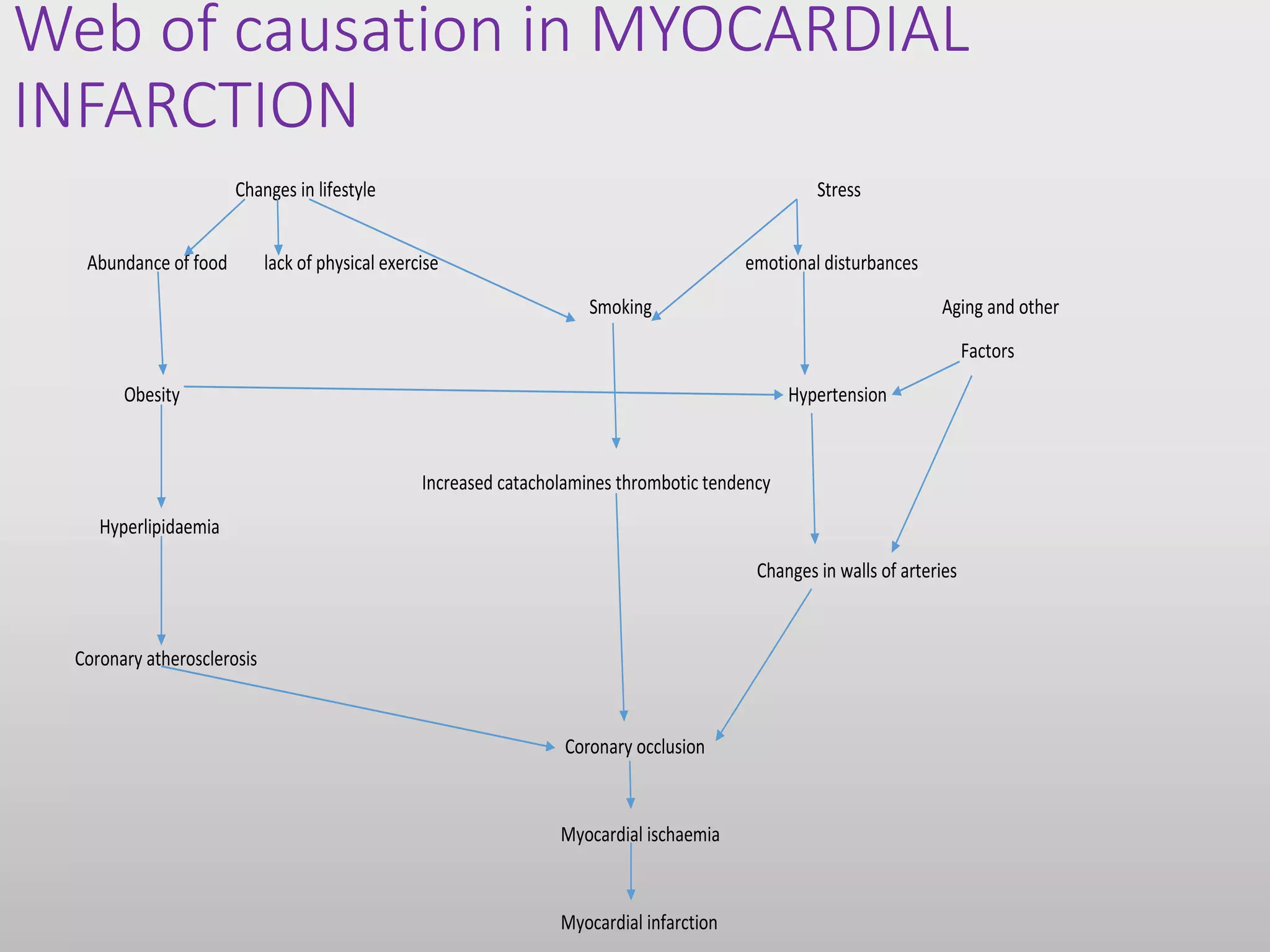
1. Identify the diagram. (0.5)
Web of Causation of Myocardial Infarction
2. Who gave the concept of this diagram? (0.5)
MacMahon and Pugh
3. Write two significances of this diagram. (1)
It demonstrates the interaction of multiple inter-related risk factors in the causation of myocardial infarction rather than a single cause.
It provides a basis for comprehensive prevention and control strategies by targeting multiple modifiable risk factors simultaneously.
Note: The web of causation is a conceptual model in epidemiology that illustrates the complex, interconnected, and multifactorial nature of diseases and health outcomes. It posits that health issues rarely stem from a single cause but rather from a network of interacting biological, environmental, and social determinants.
This model, first articulated in a 1960 epidemiology textbook by Brian MacMahon and Thomas Pugh, moved the field beyond the "germ theory" single-cause model, especially for chronic diseases where multiple risk factors are involved.
Spotter 6

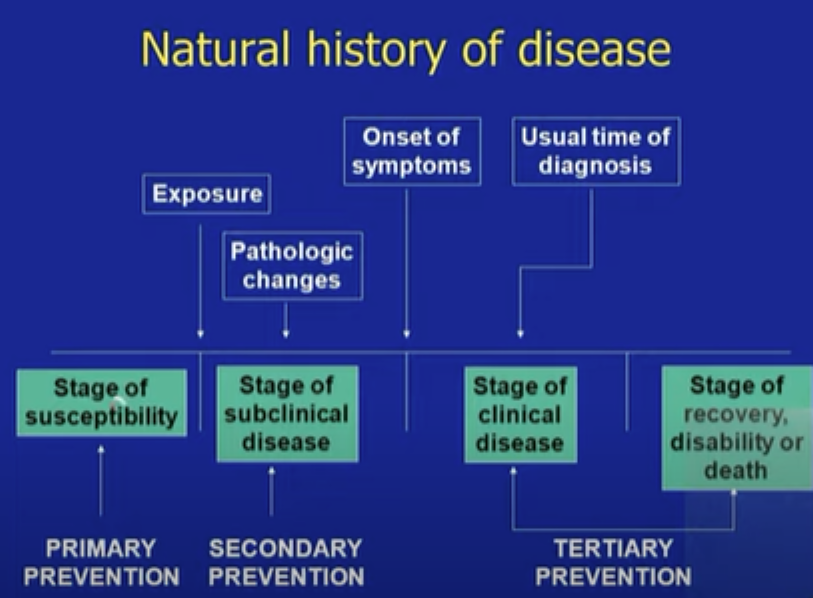
1. What is the name of the given diagram? (0.5)
Natural History of Disease
2. Mention the public health importance of this diagram. (1.5)
It helps in understanding the sequence of events in disease progression, from the pre-pathogenic phase to the pathogenic phase.
It assists in identifying the appropriate levels of prevention—primary, secondary, and tertiary—at different stages of disease.
It guides the timely application of preventive and control measures, thereby helping to reduce morbidity, mortality, and overall disease burden.
Note:
Spotter 7

1. What is the name of the given diagram? (0.5)
Natural History of Disease
2. Enlist the modes of intervention for COVID-19 at each level of prevention. (1.5)
Primary prevention:
Health promotion: Health education, mask use, hand hygiene, physical distancing
Specific protection: COVID-19 vaccination
Secondary prevention:
Early diagnosis: Screening, RT-PCR / Rapid Antigen testing
Prompt treatment: Early isolation and supportive care
Tertiary prevention:
Disability limitation: Management of complications (e.g., hypoxia, organ involvement)
Rehabilitation: Post-COVID care and physiotherapy
Spotter 8
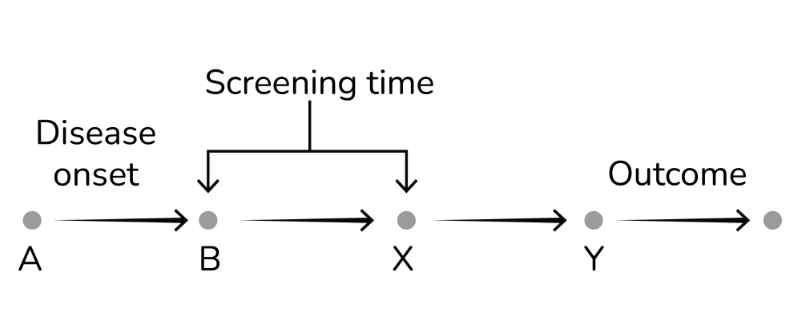
1. In the following figure, which point is the usual time of diagnosis? (1)
a. A
b. B
c. X
d. Y
2. What is lead time? (1)
Lead time is the period between the onset of a disease (or the earliest detectable stage) and the usual time of diagnosis.
Spotter 9
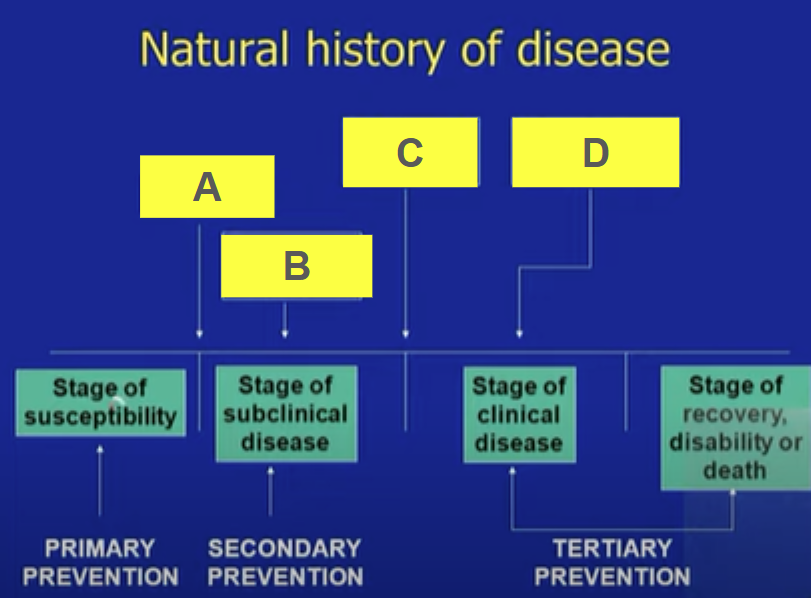
1. Which point in the natural history of disease marks the onset of symptoms? (1)
a. A
b. B
c. C
d. D
2. Which study design is best to demonstrate natural history of disease? (1)
Cohort study
Spotter 10
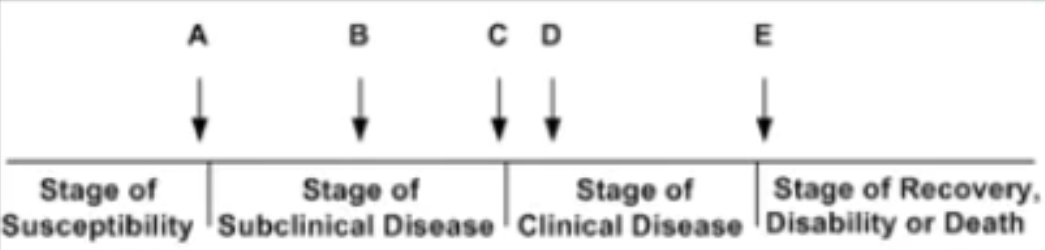
For each of the following, identify the appropriate letter from the timeline in the figure representing the Natural History of Disease. (2)
Match the occurrences with the correct stage:
– Onset of symptoms
– Usual time of diagnosis
– Exposure
Options:
a. A, C, D
b. B, C, D
c. C, D, A
d. D, A, B
Spotter 11

1. Identify the symbol shown in the figure. (0.5)
The Ottawa Charter’s Emblem
2. What is the concept adopted by this? (1.5)
The concept of the Ottawa Charter is to enable, mediate, and advocate for health by focusing on:
Build healthy public policy
Create supportive environments for health
Strengthen community action for health
Develop personal skills
Reorient health services
Note:
The Ottawa Charter emblem is the official World Health Organization (WHO) Health Promotion logo and features a red circle with three inner wings. It symbolizes the integrated, multi-strategic approach to health promotion outlined in the 1986 Ottawa Charter.
Emblem Components and Meaning
Each part of the emblem represents a key element of the Ottawa Charter's framework:
The Outer Circle: Originally red, the circle represents the goal of "Building Healthy Public Policies", symbolizing the need for policies to hold together and contain all other health promotion efforts.
The Inner Spot: The small central circle represents the three basic health promotion strategies: to enable, mediate, and advocate for health.
The Three Wings: The wings originating from the inner spot symbolize the five key action areas of health promotion:
One wing (the top one) breaks the outer circle, representing the need for action to strengthen community action and develop personal skills; this breaking of the circle symbolizes that policies must constantly adapt to the ever-changing needs of individuals and communities.
The middle right wing represents action needed to create supportive environments for health.
The bottom wing represents action needed to reorient health services towards preventing diseases and promoting health.
The emblem's design was slightly modified for subsequent international conferences, such as the Fourth International Conference on Health Promotion in Jakarta in 1997, to reflect the local culture while preserving the core meaning. The Jakarta version used a large blue spot and brick-red wings, all reaching outside the circle to represent a more open and lively approach

Spotter 12
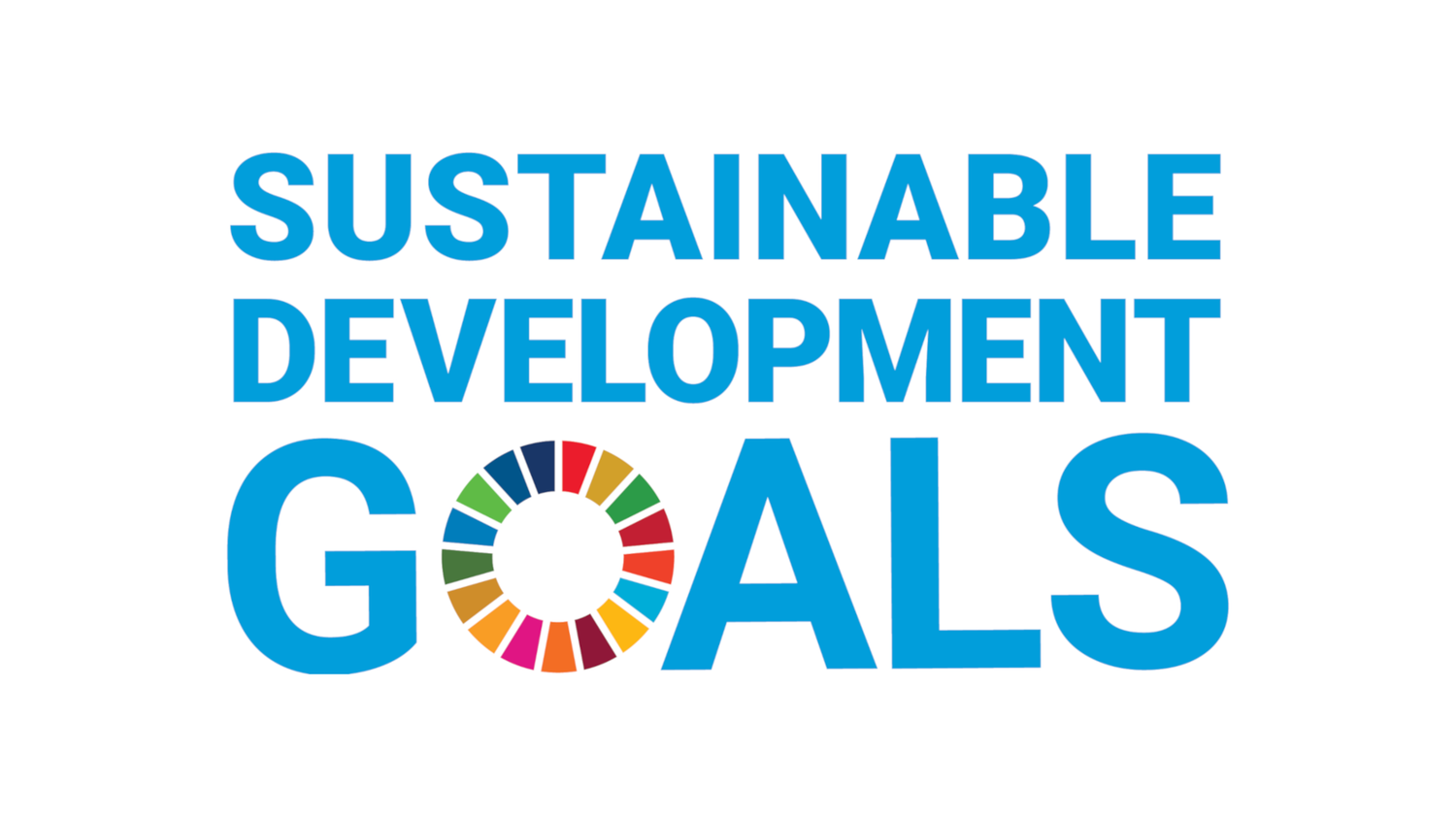 1. How many Millennium Development Goals (MDGs) were there?
8 goals
2. How many Sustainable Development Goals (SDGs) are there?
17 goals
Note: MDGs (Millennium Development Goals, 2000-2015) focused on poverty reduction in developing nations (8 goals), while SDGs (Sustainable Development Goals, 2015-2030) are universal, encompassing 17 interconnected goals for all countries, addressing economic, social, and environmental aspects like climate change, inequality, and peace, building on MDG successes but with broader scope and inclusivity.
Millennium Development Goals (MDGs)
Timeframe: 2000-2015.
Focus: Primarily on developing countries, tackling poverty, hunger, disease, education, gender, and environment.
Goals: 8 specific goals, e.g., eradicate extreme poverty, achieve universal primary education, reduce child mortality.
Sustainable Development Goals (SDGs)
Timeframe: 2015-2030.
Focus: Universal, applying to all countries (developed and developing), integrating economic, social, and environmental pillars.
Goals: 17 broad goals (e.g., No Poverty, Zero Hunger, Climate Action, Quality Education, Peace & Justice) with 169 targets.
Key Differences & Improvements
Universality: SDGs are for everyone, unlike MDGs which targeted poorer nations.
Scope: SDGs are much broader, adding climate, inequality, sustainable cities, energy, etc., recognizing interconnectedness.
Inclusivity: SDGs involve all stakeholders (governments, private sector, civil society) and address systemic issues.
Foundation: SDGs build on MDG successes but address their limitations, creating a more comprehensive blueprint for sustainable development.
Spotter 13
1. Enlist any four Sustainable Development Goals (SDGs). (1)
SDG 1: No Poverty
SDG 2: Zero Hunger
SDG 3: Good Health and Well-Being
SDG 4: Quality Education
2. Mention the SDG which is directly related to health. (1)
SDG 3 – Good Health and Well-Being