

SEMESTER I
Module 3 & 4: Nutrition-I & Nutrition-II
Spotter 1
Rice
1. Mention the nutritional composition per 100 g of the given food item. (1)
(per 100 g uncooked rice):
Macronutrients
Carbohydrates: ~78 g
Protein: ~7 g
Fat: ~0.5 g
Energy (Calories): ~345 kcal
Micronutrients
Calcium: ~10 mg
Iron: ~1 mg
Phosphorus: ~160 mg
Magnesium: ~35 mg
Potassium: ~115 mg
Thiamine (Vitamin B₁): ~0.07 mg
Riboflavin (Vitamin B₂): ~0.02 mg
Niacin (Vitamin B₃): ~1.6 mg
2. Enlist four diseases associated with its deficiency. (1)
Marasmus
Kwashiorkor
Underweight
Growth retardation (in children)
#other possible question number 2 will be...........
Spotter 2
Rice
1. Mention the nutritional composition per 100 g of the given food item. (1)
(per 100 g uncooked rice):
Macronutrients
Carbohydrates: ~78 g
Protein: ~7 g
Fat: ~0.5 g
Energy (Calories): ~345 kcal
Micronutrients
Calcium: ~10 mg
Iron: ~1 mg
Phosphorus: ~160 mg
Magnesium: ~35 mg
Potassium: ~115 mg
Thiamine (Vitamin B₁): ~0.07 mg
Riboflavin (Vitamin B₂): ~0.02 mg
Niacin (Vitamin B₃): ~1.6 mg
2. What is the clinical significance of polished rice? (1)
Polished rice has reduced nutritional value due to loss of the bran and germ, leading to deficiency of B-complex vitamins (especially thiamine) and minerals. It also has a higher glycemic index compared to unpolished (brown) rice, increasing the risk of beriberi, diabetes mellitus, obesity, and other chronic diseases.
Spotter 3
Pulse
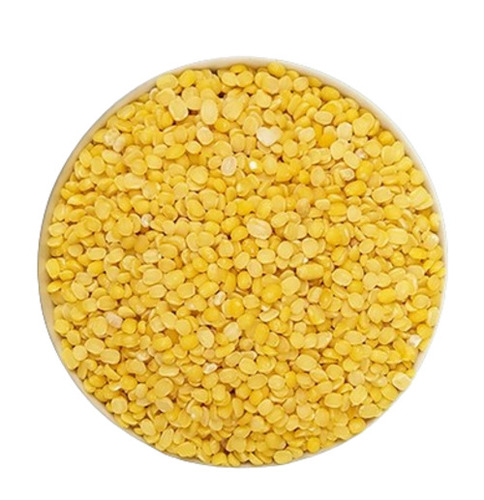
1. Mention the nutritional composition per 100 g of the given food item. (1)
(per 100 g, dry pulses):
Macronutrients
Carbohydrates: ~60 g
Protein: ~22 g
Fat: ~1.5 g
Energy (Calories): ~340 kcal
Micronutrients
Calcium: ~75 mg
Iron: ~5 mg
Phosphorus: ~300 mg
Magnesium: ~130 mg
Potassium: ~700 mg
Thiamine (Vitamin B₁): ~0.5 mg
Riboflavin (Vitamin B₂): ~0.2 mg
Niacin (Vitamin B₃): ~2 mg
Folic acid: ~200 µg
2. Write down the prevalent nutritional deficiency disorders in Nepal. (1)
Iron deficiency anemia
Night blindness
Goiter
Zinc deficiency
Rickets / Osteomalacia
Spotter 4
1. List four major differences between Kwashiorkor and Marasmus. (2)
Feature | Marasmus | Kwashiorkor |
|---|---|---|
Primary deficiency | Severe deficiency of total calories (carbohydrates, fats, and proteins) | Predominant protein deficiency with relatively adequate calories |
Body appearance | Severe wasting with marked loss of muscle and fat | Edema present, often masking weight loss |
Edema | Absent | Present (face, limbs, abdomen) |
Appetite | Good / voracious | Poor or absent |
Spotter 5

1 hen egg (approx. 50 g)
1. Mention the nutritional composition of 1 hen egg (approx. 50 g). (1)
Macronutrients
Protein: ~6–7 g
Fat: ~5–6 g
Carbohydrates: ~0.5 g
Energy (Calories): ~78 kcal
Micronutrients
Calcium: ~25 mg
Iron: ~1 mg
Phosphorus: ~100 mg
Vitamin A: ~70 µg
Thiamine (Vitamin B₁): ~0.02 mg
Riboflavin (Vitamin B₂): ~0.23 mg
Vitamin B₁₂: ~0.55 µg
2. Why is egg called a reference protein? (1)
A hen egg is called a reference protein because it contains all nine essential amino acids in proportions that closely match human requirements and has high digestibility, making it the standard for comparing protein quality in other foods.
Spotter 6
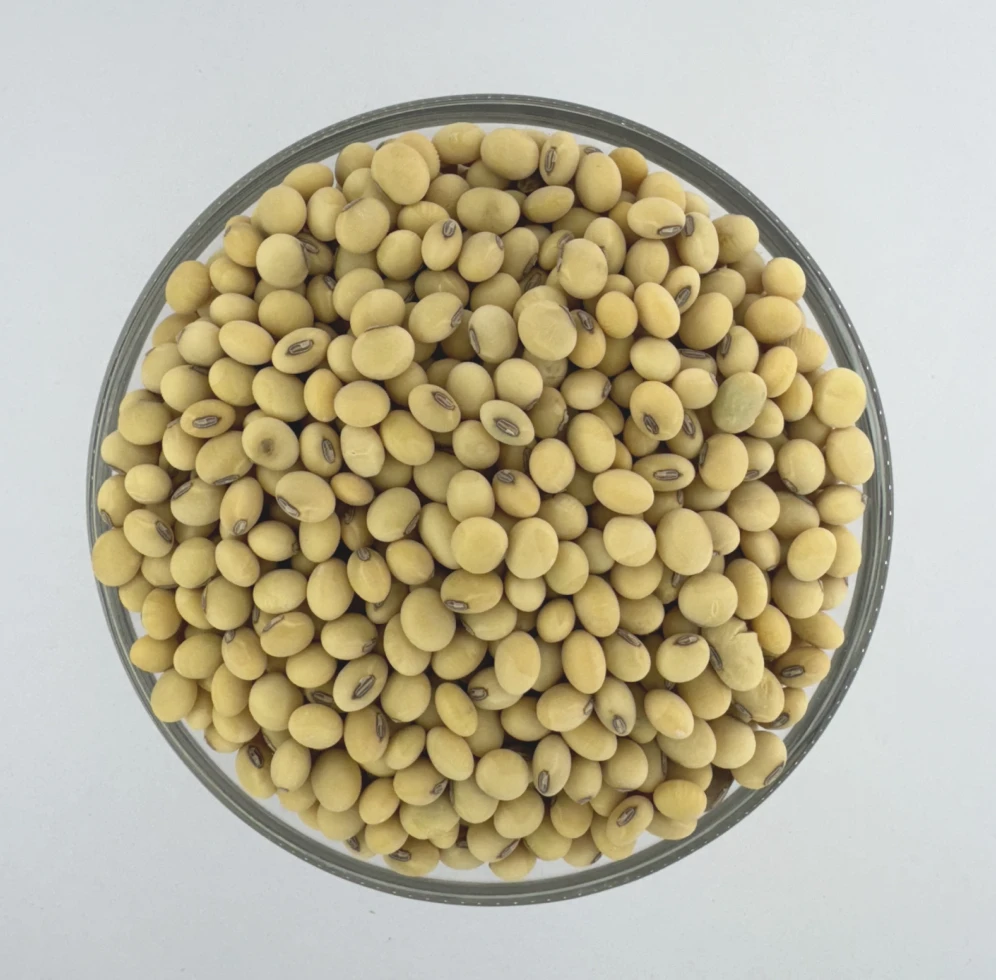 Soyabean
1. Mention the nutritional composition per 100 g of the given food item: Soyabean. (1)
Macronutrients
Protein: ~36–40 g
Carbohydrates: ~30 g
Fat: ~20 g
Energy (Calories): ~430 kcal
Micronutrients
Calcium: ~277 mg
Iron: ~15 mg
Phosphorus: ~704 mg
Magnesium: ~280 mg
Potassium: ~1800 mg
Sodium: ~2 mg
Thiamine (Vitamin B₁): ~0.87 mg
Riboflavin (Vitamin B₂): ~0.87 mg
Niacin (Vitamin B₃): ~1.6 mg
Folate: ~375 µg
2. List all seven methods of nutritional status assessment. (1)
Anthropometry – measurement of body size, weight, and proportions
Biochemical investigations – lab tests for nutrient levels in blood, urine, or tissues
Clinical examination – physical signs of nutrient deficiencies or excesses
Assessment of dietary intake – food surveys, 24-hour recall, or food frequency questionnaires
Ecological studies – population-level assessment using food supply or consumption data
Functional assessment – tests of physical or cognitive performance related to nutrition
Vital and health statistics – use of morbidity, mortality, and growth trends to assess nutritional status
Spotter 7

1. Define balanced diet. (1)
A balanced diet is a diet that contains different types of foods providing all the essential nutrients—carbohydrates, proteins, fats, vitamins, minerals, and water—in the right proportions to meet the daily requirements of the body.
2. Define micro and macro nutrients. (1)
Micronutrients: Vitamins and minerals required in small amounts, ranging from a fraction of a milligram to several grams, essential for growth, development, and metabolism.
Macronutrients: Proteins, fats, and carbohydrates, also called proximate principles, which form the main bulk of food and provide energy and structural components for the body.
Spotter 8

1. Mention the composition of adult IFA (Iron-Folic Acid) tablets. (1)
Answer:
Iron: 100 mg
Folic acid: 500 µg
2. Which trimester is recommended for iron supplementation in a pregnant woman? (1)
Answer:
2nd trimester
Spotter 9
1. Define protein-energy malnutrition (PEM). (1)
Protein-Energy Malnutrition (PEM) is a spectrum of conditions caused by insufficient intake or absorption of protein and/or calories, leading to deficits that impair growth, development, and bodily functions. It manifests as:
Wasting – Marasmus
Swelling (edema) – Kwashiorkor
Or a combination – Marasmic Kwashiorkor
2. List the major types of protein-energy malnutrition. (1)
Marasmus
Kwashiorkor
Marasmic Kwashiorkor
Spotter 10

1. Identify the spotter. (0.5)
Kwashiorkor
2. Define the given condition. (1.5)
Kwashiorkor is a severe form of protein-energy malnutrition caused by a drastic lack of protein, even when calorie intake may be adequate. It leads to:
Edema (swelling of the belly, limbs, and face)
Muscle wasting
Fatigue and irritability
Skin and hair changes (depigmentation, thin brittle hair)
Weakened immune system
It primarily affects young children in famine-stricken or low-protein diet regions.
Spotter 11

1. Write the name of the clinical condition. (0.5)
Goitre
2. Enlist three preventive measures for this condition. (1.5)
Dietary & Nutrient Focus:
Use iodized salt
Consume iodine-rich foods like seafood, dairy products, and seaweed
Ensure adequate selenium and zinc intake
Avoid goitrogenic foods in excess:
Foods like cabbage, cauliflower, and cassava can interfere with iodine uptake
Lifestyle and Public Health Measures:
Maintain healthy diet, regular exercise, and stress management
Participate in iodine supplementation programs where available
Spotter 12
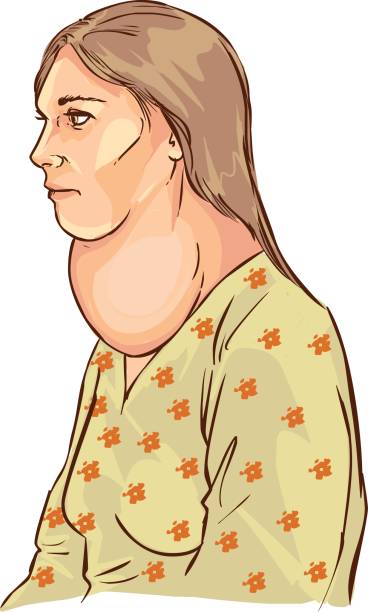
1. Write the name of the given condition. (0.5)
Goiter
2. Mention four major sources of the required micronutrient (iodine) for the above case. (1.5)
Seaweed
Seafood
Dairy products and eggs
Iodized salt
Spotter 13
1. Write the name of the clinical condition. (0.5)
Xerophthalmia
2. Write WHO Classification of Xerophthalmia. (1.5)
Night blindness (XN)
Conjunctival xerosis (X1A)
Bitot’s spot (X1B)
Corneal xerosis (X2)
Corneal ulceration (<1/3 of cornea) (X3A)
Corneal ulceration (>1/3 of cornea) (X3B)
Corneal scarring (XS)
Xerophthalmia fundus (XF)
Spotter 14
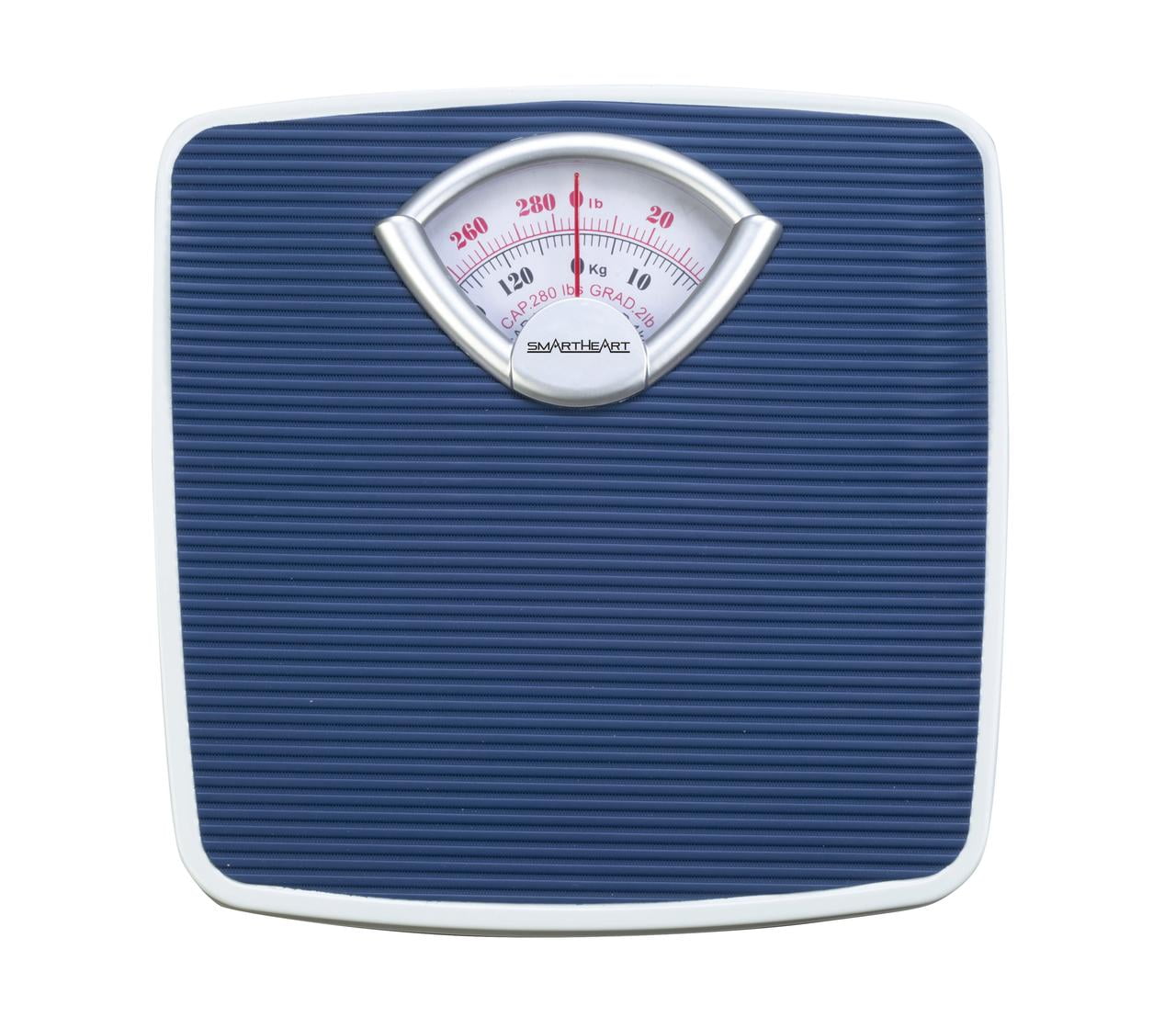
1. Identify the instrument. (0.5)
Weighing scale/Bathroom Scale
2. What is its use? (0.5)
To measure body weight
3. Calculate your own BMI. (1)
Formula: BMI = Weight (kg) ÷ Height (m)²
Example: If weight = 60 kg and height = 1.65 m:
BMI=601.652=602.7225≈22.0 kg/m²BMI = \frac{60}{1.65^2} = \frac{60}{2.7225} \approx 22.0 \, \text{kg/m²}BMI=1.65260=2.722560≈22.0kg/m²
Interpretation (WHO classification):
<18.5 → Underweight
18.5–24.9 → Normal
25–29.9 → Overweight
≥30 → Obese
Spotter 15

1. Which toxin is associated with Lathyrism? (0.5)
β-ODAP (BOAA) – beta-N-oxalyl-L-alpha, beta-diaminopropionic acid
2. List three interventions for the above condition. (1.5)
Reduce consumption of Lathyrus sativus (grass pea)
High-protein diet to support recovery
Physiotherapy to manage and improve muscle function
Spotter 16
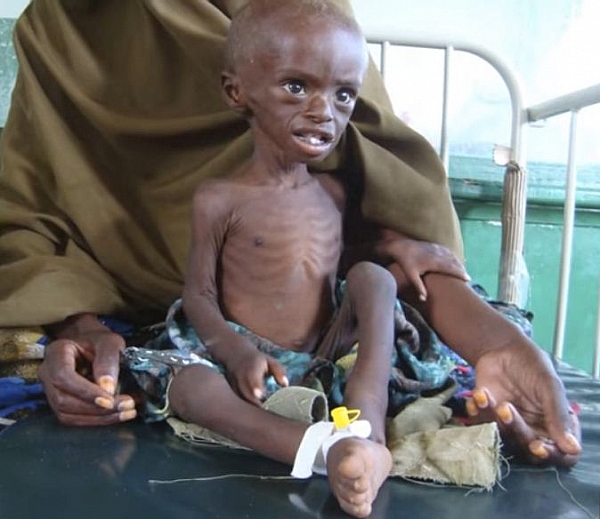
1. Write the name of the given condition. (0.5)
Marasmus
2. List all seven methods of nutritional status assessment. (1.5)
Anthropometry – measurement of body size, weight, and proportions
Biochemical investigations – lab tests for nutrient levels in blood, urine, or tissues
Clinical examination – physical signs of nutrient deficiencies or excesses
Assessment of dietary intake – 24-hour recall, food frequency questionnaires, or food surveys
Ecological studies – population-level assessment using food supply or consumption data
Functional assessment – tests of physical or cognitive performance related to nutrition
Vital and health statistics – using morbidity, mortality, and growth trends to assess nutritional status
Spotter 17
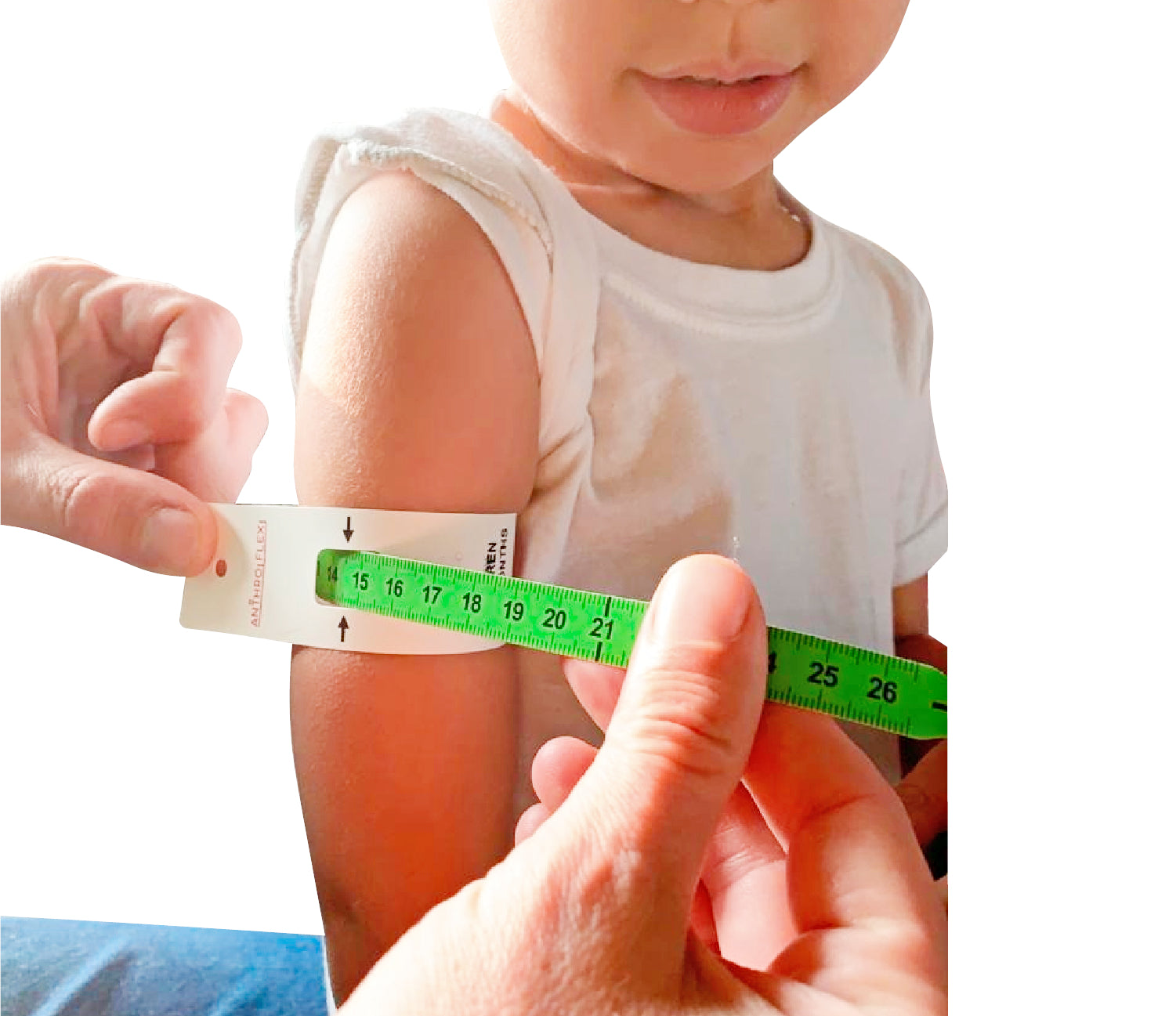
1. Mention the name of the method used in this picture and its interpretation. (1)
Method: Mid-Upper Arm Circumference (MUAC)
Interpretation:
Green (≥12.5 cm): Well-nourished
Yellow (11.5–12.5 cm): Moderate malnutrition (needs support)
Red (<11.5 cm): Severe acute malnutrition (requires urgent treatment)
2. Enlist other four anthropometric measurements of nutritional status for a child. (1)
Height / Length
Weight
Body Mass Index (BMI)
Head and Chest Circumference
Spotter 18

1. Identify the measuring tape in the given picture. (0.5)
Sakir tape
2. Write the value for green, yellow, and red color in the tape. (1.5)
Green: ≥ 12.5 cm → Normal / Well-nourished
Yellow: 11.5–12.5 cm → Moderate acute malnutrition (needs support)
Red: < 11.5 cm → Severe acute malnutrition (requires urgent treatment)
Spotter 19
1. Enlist four major sources of iron. (1)
Red meat, poultry, and seafood (heme iron – easily absorbed)
Legumes (beans, lentils)
Dark leafy greens (spinach, kale)
Nuts, seeds, dried fruits, and fortified cereals
2. Mention four common causes of iron deficiency anemia in Nepal. (1)
Inadequate intake of iron-rich foods
Hookworm infestation
Pregnancy (increased iron requirement)
Chronic blood loss
Spotter 20
1. What are the common causes of Iron Deficiency Anemia in Nepal? (1)
Inadequate intake of iron-rich foods
Hookworm infestation
Pregnancy (increased iron requirement)
Chronic blood loss
2. Write down the prevalent nutritional deficiency disorders in Nepal. (1)
Protein-Energy Malnutrition (PEM)
Night blindness (Vitamin A deficiency)
Iron deficiency anemia
Iodine deficiency (Goiter)
Spotter 21
1. Enlist four sources of vitamin A. (1)
Plant sources: Green leafy vegetables, carrots
Animal sources: Meat, fish
2. What is Preformed Vitamin A and Provitamin A? (1)
Preformed Vitamin A: Retinol and retinoic acid found in animal foods such as dairy products, fish, and meat (especially liver).
Provitamin A: Beta-carotene, a substance from plant sources (like carrots and green vegetables) that can be converted by the body into vitamin A.
Spotter 22
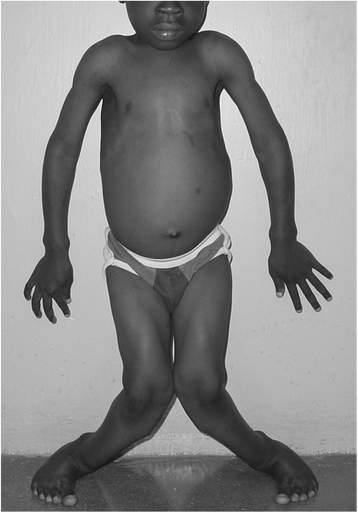
1. Enlist any two bony deformities which characterize this disease (Rickets). (0.5)
Bowing of legs
Rachitic rosary
2. Mention two nutritional forms of the vitamin, the deficiency of which causes the disease. (0.5)
Vitamin D₂ (ergocalciferol)
Vitamin D₃ (cholecalciferol)
3. Enumerate two preventive measures of it. (1)
Sunlight exposure (to stimulate vitamin D synthesis)
Vitamin D supplements and dietary calcium
Spotter 23
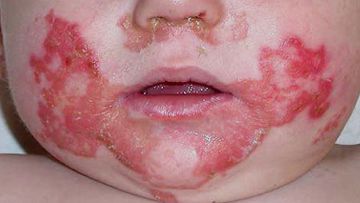
1. Identify the picture and comment on its cause. (1)
Condition: Rashes due to zinc deficiency
Cause: Insufficient intake or absorption of zinc, leading to skin lesions, delayed wound healing, growth retardation, and impaired immune function.
2. Mention the daily requirement of this element in adults, children, and infants. (1)
Adult men: 12 mg/day
Adult women: 10 mg/day
Children: 10 mg/day
Infants: 5 mg/day
Spotter 24
1. Write two milk-borne bacterial diseases. (1)
Infectious diarrhoea – caused by E. coli
Food poisoning – caused by Staphylococcus aureus
2. Write the full form of SNF. (0.5)
SNF: Solid-Not-Fat
3. Enlist two common methods of pasteurization of milk. (0.5)
Low Temperature Long Time (LTLT) method: 63°C for 30 minutes
High Temperature Short Time (HTST) method: 72°C for 15 seconds
(Optional/Additional) Ultra High Temperature (UHT) method: 135–150°C for 1–4 seconds
Spotter 25
ChatGPT said:
1. How many servings of fruits and vegetables per day are required for an adult? (0.5)
5 servings/day (2 fruits + 3 vegetables)
2. What are the nutrients rich in green vegetables? (1)
Vitamins: A, B9 (folate), C, K
Minerals: Iron, Calcium, Magnesium, Potassium
Others: Dietary fiber and antioxidants
3. What are the nutrients lacking in green vegetables? (0.5)
Macronutrients: Energy, Protein, Fats
Vitamins: B12, D
Minerals: Zinc