

#Typhoid Fever
Parajuli SB, 2026 (www.suryaparajuli.com.np)
Community Medicine (Kathmandu University) | MBBS 6th Semester |
#🔹 Specific Learning Outcomes (SLOs)
#At the end of the session, the learner will be able to:
State the “Golden 3” basics of typhoid fever
Describe the problem statement of typhoid fever
Explain the epidemiological determinants of typhoid fever
Identify the clinical features, diagnostic approaches, and treatment options for typhoid fever
Discuss the prevention and control measures
Describe the principles and importance of typhoid fever surveillance
#Golden 3 Basic of Typhoid Fever
Typhoid fever is an acute systemic infectious disease caused by Salmonella enterica serovar Typhi, transmitted through contaminated food and water via the fecal–oral route.
It presents with prolonged fever, headache, abdominal pain, weakness, relative bradycardia, and may lead to intestinal hemorrhage or perforation if untreated.
Management includes appropriate antibiotics (e.g., ceftriaxone or azithromycin), hydration, and supportive care; prevention involves safe water, sanitation, hand hygiene, safe food practices, and typhoid vaccination.
#🌍 Global Burden of Disease
🦠 Typhoid fever occurs worldwide, predominantly in regions with inadequate water supply and poor sanitation.
It has become uncommon in developed countries due to improved living conditions and antibiotic availability, with most cases being imported.
#📊 According to WHO estimates:
👥 11–20 million cases annually
⚰️ 128,000–161,000 deaths per year
🌏 Majority of cases occur in Asia
👶 Children of school age and younger are disproportionately affected
💊 Since the 1950s, antimicrobial resistance has emerged as a major challenge, particularly in Asia and the Middle East. Multidrug-resistant (MDR) S. Typhi strains have caused outbreaks in India and Pakistan and are associated with increased severity, complications, and mortality.
⚠️ Without treatment, case fatality may reach 10–20%
#Typhoid Fever in Nepal
📌 Typhoid fever is endemic in Nepal.
📊 Global Burden of Disease estimates indicate a high disease burden, particularly among children and adolescents.
🏘️ Community-based studies have reported high incidence rates, especially in Kathmandu Valley and peri-urban areas.
🚰 The burden is higher in areas with poor water supply, inadequate sanitation, and overcrowding.
⚠️ Typhoid fever remains underreported and is considered an important indicator of sanitation, water safety, and socioeconomic development in Nepal.
#Typhoid Fever in India
📌 Typhoid fever is endemic in India.
📊 National Health Profile 2021 data (2020):
👥 1.069 million cases
⚰️ 126 deaths
📍 Highest burden reported from:
🗺️ Uttar Pradesh
🗺️ West Bengal
🗺️ Karnataka
🗺️ Telangana
#🧬 Epidemiological Determinants
#Agent Factors
🦠 Causative agent: Salmonella Typhi
🧪 Paratyphoid fever: S. Paratyphi A and B (less common)
#🧩 Antigens:
🧱 O (somatic)
🏃 H (flagellar)
🛡️ Vi (capsular)
🧫 Intracellular survival in reticuloendothelial system
🧬 Multiple phage types (useful for outbreak investigation)
⚠️ Disease severity influenced by infecting dose and virulence
#🧍 Reservoir of Infection
👥 Humans are the only reservoir
#📋 Cases
🟡 Mild, severe, or missed
🔄 Infectious as long as bacilli are excreted in stool or urine
#🚶 Carriers
⏳ Temporary: incubatory or convalescent
🕰️ Chronic: excretion >1 year
📊 Chronic carrier rate: 2–5%
🫙 Gall bladder is the common site of persistence
💩 Faecal carriers more common than urinary carriers
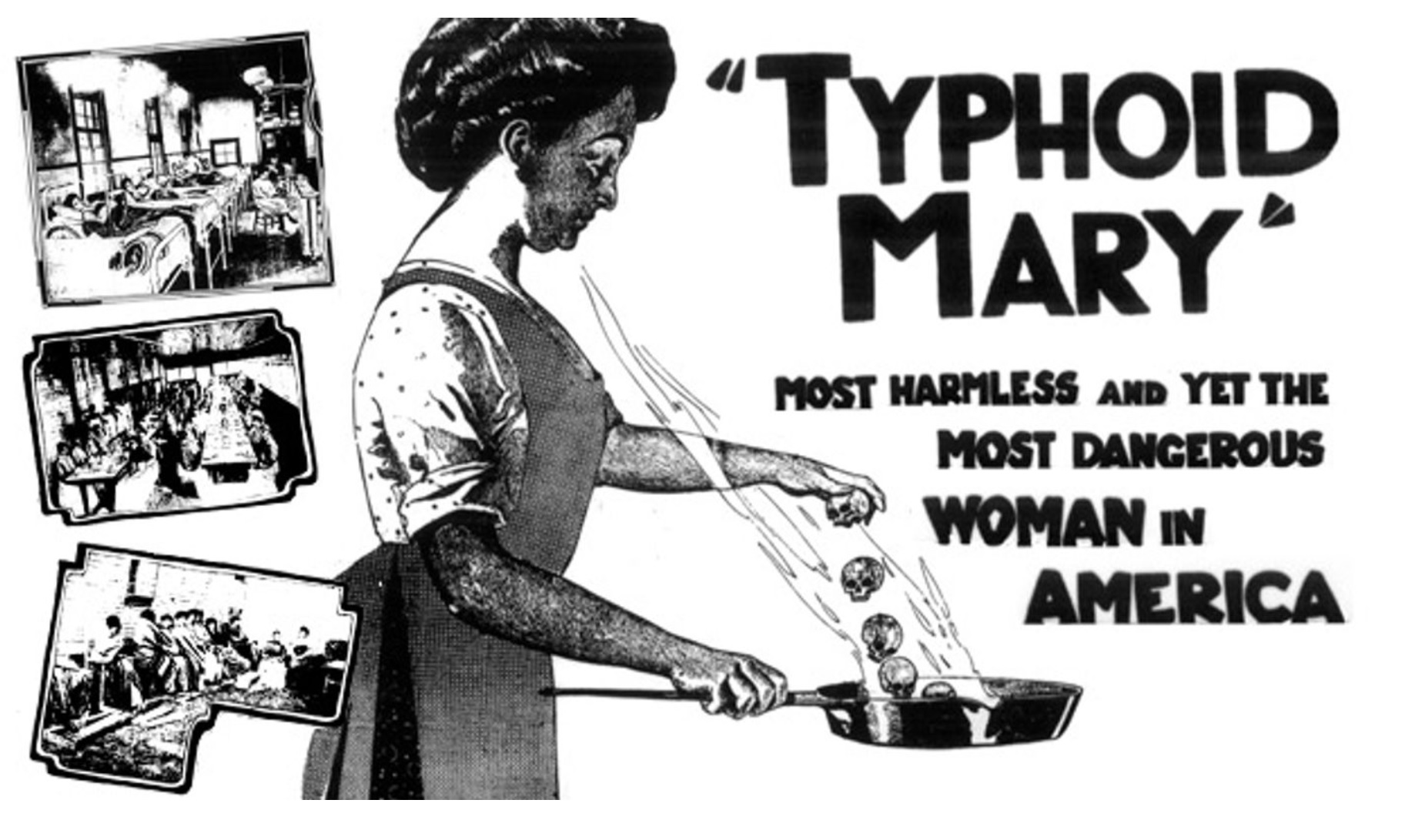
📚 Classic example: Typhoid Mary
#🧪 Source of Infection
🟢 Primary: feces and urine of cases or carriers
🔁 Secondary: contaminated water, food, fingers, flies
🚫 No evidence of excretion in sputum or milk
#👤 Host Factors
🎂 Age: Highest incidence in 5–19 years
🏙️ High incidence also documented in children <5 years in urban slums
🚻 Sex: Higher incidence in males; higher carrier rate in females
#🛡️ Immunity
🧬 Cell-mediated immunity plays a major role
🧪 Antibodies (O and H) are not protective
🔄 Natural infection does not always confer lasting immunity
⚙️ Other factors: Gastric acidity and local intestinal immunity
#🌍 Environmental and Social Factors
📆 Occurs year-round with peak during July–September
🌧️ Coincides with rainy season and increased fly density
#🧫 Survival of bacilli:
🚰 Water: up to 7 days
🧊 Ice and ice cream: >1 month
🌱 Soil: up to 70 days
🥛 Milk: rapid multiplication without change in taste
#⚠️ Contributing factors:
🚱 Unsafe drinking water
🚽 Open defecation
🍽️ Poor food hygiene
📉 Low health awareness
📌 Typhoid fever is regarded as an index of general sanitation.
#⏱️ Incubation Period
🕒 Usually 10–14 days
📏 Range: 3 days to 3 weeks
⚖️ Depends on infecting dose
#🔄 Modes of Transmission
💩➡️👄 Fecal–oral route
🚽➡️👄 Urine–oral route
✋ Direct: contaminated hands
🚰 Indirect: water, food, milk
🪰 Mechanical transmission by flies
🌐 Transmission is influenced by social, cultural, and economic factors affecting quality of life.
#🩺 Clinical Features
⏳ Insidious onset (abrupt in children)
📈 Step-ladder rise of fever
🤒 Malaise, headache, cough, sore throat
🤢 Abdominal pain, constipation or pea-diarrhea
🧍 Splenomegaly, abdominal distension
❤️ Relative bradycardia, dicrotic pulse
🌹 Rose spots during second week
🧪 Leukopenia common
🔁 Relapse may occur within 2 weeks of treatment completion
#⚠️ Complications
📊 Seen in up to 10% of cases, especially if untreated:
🩸 Intestinal hemorrhage
🕳️ Intestinal perforation (usually 3rd week)
🫁 Pneumonia
❤️ Myocarditis
🧠 Psychosis
🫙 Cholecystitis
🩺 Nephritis
🦴 Osteomyelitis
#🧪 Laboratory Diagnosis
#Microbiological
🩸 Blood culture: Gold standard
🦴 Bone marrow culture: Highest sensitivity
💩 Stool culture: Positive later in illness
#🧫 Serological
🧪 Widal test
🟡 O antibodies: day 6–8
🔵 H antibodies: day 10–12
⚖️ Moderate sensitivity and specificity
⚠️ False positives and false negatives common
#⚡ Rapid Diagnostic Tests
🧬 Tubex®
🧪 Typhidot® and Typhidot-M®
🧷 IgM dipstick tests
📌 Useful for rapid diagnosis but do not replace culture.
#🛡️ Control of Typhoid Fever
#🔑 Three main strategies:
🧍 Control of reservoir
🚰 Control of sanitation
💉 Immunization
⚠️ Sanitation is the weakest and most critical link.
#🧍 Control of Reservoir
#Cases
🔍 Early diagnosis
📢 Notification
🚪 Isolation until 3 consecutive negative stool and urine cultures
💊 Antibiotic treatment (fluoroquinolones, azithromycin, cephalosporins)
🧼 Disinfection of stools, urine, linen
📆 Follow-up cultures at 3–4 months and 12 months
#Carriers
🧪 Identification by culture and Vi antibodies
💊 Prolonged antibiotic therapy
🔪 Cholecystectomy in refractory cases
👨🍳 Surveillance and restriction from food handling
📚 Health education
⚠️ Carrier management remains a major challenge in elimination.
#🚰 Control of Sanitation
💧 Safe drinking water
🚽 Proper sewage disposal
🍽️ Food hygiene
🧼 Personal hygiene
📢 Health education
📉 Sanitation combined with education produces sustained reduction in disease burden.
#💉 Immunization Against Typhoid
#Vi Polysaccharide Vaccine
🧬 Subunit vaccine
🎂 Age ≥2 years
💉 Single dose
🔁 Booster every 3 years
✅ Safe, minimal adverse effects
🚫 Not effective in children <2 years
#Ty21a Oral Vaccine
🦠 Live attenuated
🎂 Age ≥5 years
📅 3 doses on days 1, 3, 5
🔁 Booster every 3 years (annually for travelers)
💊 Avoid antibiotics around vaccination
⛔ Contraindicated in immunodeficiency
#🧪 Typhoid Conjugate Vaccine (TCV)
Introduced in Nepal: 2022 into National Immunization Programme (EPI)
Routine Schedule: Single dose at 15 months of age
Co-administered with: MR (Measles-Rubella) vaccine at 15 months
Catch-up Campaign (2022): Given to children 15 months–15 years
Purpose: Protects against Typhoid fever and reduces disease burden among children
#🔑 Key Take-Home Messages
📌 Typhoid fever is a preventable but persistent public health problem
👥 Humans are the sole reservoir
🕰️ Chronic carriers sustain transmission
💊 MDR S. Typhi complicates treatment
🚰 Sanitation is the cornerstone of control
💉 Vaccines are effective adjuncts, not substitutes
#References
Anderson ES, Smith HP. Brit Med J. 1972;3:329–331.
World Health Organization. Fact sheet. 31 Jan 2018.
World Health Organization. The world health report: report of the Director-General. Geneva: WHO; 1996.
Ramesh Kumar, et al. Ann Nat Acad Med Sci (India). 1988;24(4):255–257.
Government of India. National health profile 2021. New Delhi: Directorate General of Health Services, Ministry of Health and Family Welfare; 2021.
Basu S, et al. Bull World Health Organ. 1975;52(3):333.
Christie AB. Infectious diseases: epidemiology and clinical practice. 2nd ed. Edinburgh: Churchill Livingstone; 1974.
Mangal HN, et al. Indian J Med Res. 1967;55:219.
World Health Organization. Public health papers No. 38. Geneva: WHO; 1969. p.78.
World Health Organization. Background document: the diagnosis, treatment and prevention of typhoid fever. Geneva: WHO; 2003.
Cvjetanovic B, et al. Bull World Health Organ. 1978;56(Suppl 1):45.